Home cleaning has changed quickly with the rise of intelligent automation. One of the most important drivers behind this change is mapping and navigation technology. These systems allow automated cleaners to move with purpose instead of random motion, which greatly improves efficiency and results.
By understanding room layouts and obstacles, smart cleaning devices can cover more ground in less time. This approach reduces missed areas and repeated passes. For busy households, this means cleaner floors with less energy use.
The Role of Digital Mapping in Home Cleaning
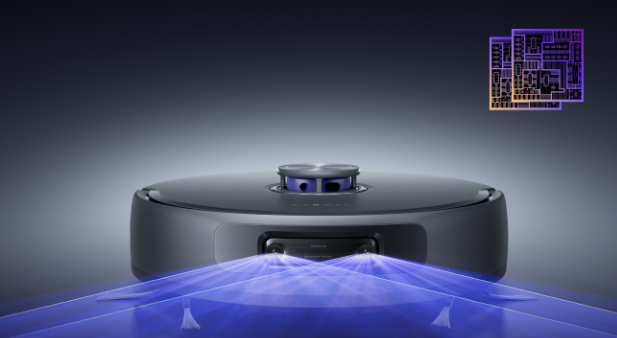
Mapping technology allows a cleaning device to create a digital layout of a home. This layout includes walls, furniture, and open spaces. Once the map is created, the device can plan its movements more effectively.
Instead of moving at random, the cleaner follows an organized path. This ensures that each section of the floor is addressed. As a result, cleaning becomes faster and more consistent.
How Navigation Systems Reduce Wasted Movement
Navigation systems guide cleaners through rooms in a logical order. They help avoid unnecessary backtracking and repeated cleaning of the same area. This saves time and reduces wear on the device.
Efficient navigation also helps manage battery use. When movement is optimized, the device can clean larger areas on a single charge. This is especially useful in homes with multiple rooms.
Adapting to Furniture and Obstacles
Modern homes often have complex layouts. Chairs, tables, and other objects can change positions over time. Navigation technology allows cleaning systems to detect and adapt to these changes.
When an obstacle is identified, the device adjusts its route. This prevents collisions and ensures smoother operation. Over time, this adaptability improves overall cleaning performance.
Improving Coverage Through Zone Awareness
Mapping systems divide a home into zones or sections. This allows the cleaner to focus on one area at a time. Each zone receives equal attention, which improves coverage.
Zone awareness also allows users to prioritize certain spaces. High-traffic areas can be cleaned more often. This targeted approach makes daily maintenance more effective.
The Connection Between Mapping and Dual Cleaning Tasks
Advanced navigation is especially useful for systems that handle more than one task. Devices designed for both vacuuming and mopping rely on accurate maps to switch modes efficiently.
This is why vacuum and mop robots benefit greatly from precise navigation. Knowing where to vacuum and where to mop helps maintain consistent floor care without confusion.
Reduced Human Intervention
One major benefit of mapping technology is reduced need for supervision. Once a map is established, the cleaning process can run with minimal input. Users no longer need to reposition the device or block areas manually.
This hands-off experience makes automated cleaning more appealing. It allows people to focus on other tasks while cleaning continues in the background.
Consistency and Predictable Results
Random cleaning methods often lead to uneven results. Some areas may be cleaned multiple times, while others are missed. Mapping technology removes this uncertainty.
With a structured path, results become predictable. Floors look evenly cleaned after each session. This consistency builds trust in automated systems.
Long-Term Efficiency and Home Care
Efficient navigation reduces physical strain on cleaning devices. Fewer collisions and less wasted movement can extend operational lifespan. This makes the technology more sustainable over time.
From a home care perspective, regular and thorough cleaning protects flooring materials. Dust and debris are removed before causing long-term damage.
Looking Forward
Mapping and navigation technology continues to evolve. As systems become more accurate, home cleaning efficiency will improve even further. Smarter movement leads to better outcomes with less effort.
For modern households, this technology represents a shift toward intelligent maintenance. It transforms cleaning from a repetitive chore into an automated process that fits seamlessly into daily life.