Introduction: The Global Story Behind Qilin-Inspired Jewelry
Jewelry has always carried stories within it—stories of culture, craftsmanship, and the natural treasures hidden deep within the Earth. Among the many motifs that have influenced jewelry design, the symbol of the Qilin stands out as a powerful and meaningful inspiration. Known in East Asian mythology as a mystical creature representing prosperity, wisdom, and harmony, the Qilin has inspired artisans and designers for centuries. Today, jewelry pieces inspired by the “Ways of Qilin” represent not only artistic beauty but also a fascinating global journey that begins deep within mineral-rich landscapes and ends in elegant jewelry displays across the world.
This journey involves many stages, from mining rare gemstones and precious metals to shaping them into intricate designs that capture the spirit of the Qilin. Each step reflects a combination of natural wonder, skilled craftsmanship, cultural heritage, and global trade networks. Understanding how these jewelry pieces travel from remote mines to luxury boutiques reveals a remarkable story of transformation and creativity.
The Origins: Discovering Precious Materials in the Earth
The journey of Qilin-inspired jewelry begins far beneath the Earth’s surface. Precious gemstones and metals form over millions of years through natural geological processes. Diamonds, emeralds, jade, and gold are among the materials commonly used in jewelry that carries mythical or cultural symbolism.
Mining regions around the world play a critical role in supplying these valuable materials. Countries rich in mineral resources such as South Africa, Australia, Brazil, Myanmar, and China have historically produced gemstones that later become part of intricate jewelry designs. Jade, in particular, holds a special place in East Asian culture and is often associated with symbols like the Qilin because of its connection to purity, protection, and prosperity.
The extraction of these materials is the first stage of the journey. Miners carefully search for deposits of gemstones and precious metals, often in remote mountains, riverbeds, or underground tunnels. This process requires advanced geological knowledge and careful techniques to ensure valuable resources are recovered without unnecessary waste.
Although mining may seem like a purely industrial activity, it represents the starting point of an artistic transformation. The raw stones discovered in these mines are often rough and unpolished, far from the brilliant jewelry pieces seen in luxury stores. Yet within each stone lies the potential to become a symbol of beauty and cultural meaning.
From Raw Stone to Refined Gem
After gemstones and precious metals are extracted, they are transported to processing centers where they undergo careful refinement. This stage transforms rough materials into polished gems and workable metals suitable for jewelry production.
Gem cutters play a vital role in revealing the hidden brilliance of stones. Through precision cutting and polishing, they enhance a gem’s color, clarity, and ability to reflect light. Each cut is carefully planned because a single mistake could reduce the value of the stone. Skilled artisans must understand the structure of the gemstone and the best angles to highlight its natural beauty.
Metals such as gold, silver, and platinum are also refined during this stage. Raw ore is processed and purified until it reaches the quality needed for jewelry manufacturing. Once refined, these metals are molded into bars or sheets that jewelers can shape into intricate designs.
This stage of refinement represents the bridge between nature and artistry. While the Earth provides the raw materials, human skill transforms them into elements that can express cultural stories and symbolic designs like the Qilin.
Cultural Inspiration Behind Qilin Jewelry
The Qilin is one of the most revered mythical creatures in East Asian folklore. Often described as a graceful creature with features resembling a deer, dragon, and horse, the Qilin symbolizes peace, prosperity, wisdom, and protection. Historically, it was believed to appear during times of harmony and the arrival of great leaders.
Because of its positive symbolism, the Qilin has inspired various forms of artistic expression, including paintings, sculptures, textiles, and jewelry. Jewelers incorporate elements of the creature’s elegant shape, flowing lines, and mystical aura into their designs.
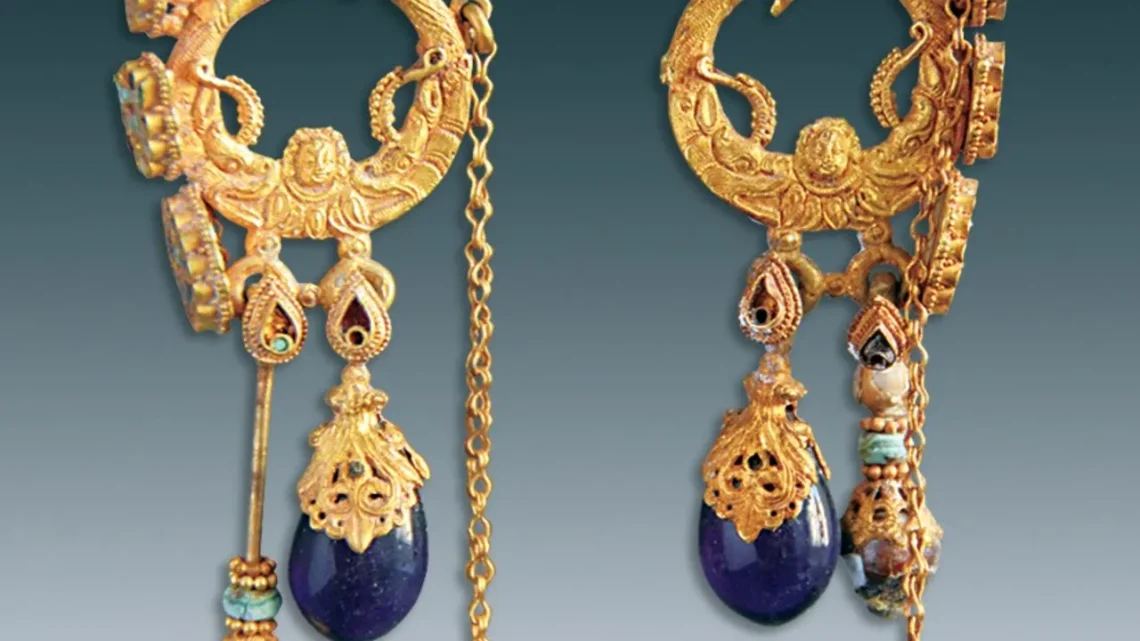
In Qilin-inspired jewelry, the creature is sometimes depicted directly as a detailed figure crafted in gold or adorned with gemstones. In other cases, designers use subtle motifs inspired by its legendary characteristics, such as curved horns, cloud patterns, or flame-like shapes representing energy and protection.
The “Ways of Qilin” in jewelry design refers not only to the visual representation of the mythical creature but also to the philosophical ideas it represents—balance, fortune, and spiritual harmony. These themes resonate with many jewelry buyers who seek pieces that carry deeper meaning beyond decoration.
The Craftsmanship of Jewelry Designers
Once gemstones and metals are refined, they reach the hands of jewelry designers and artisans. This is where creativity and technical mastery come together to transform raw materials into wearable works of art.
Designers begin by sketching concepts inspired by the Qilin’s symbolism and aesthetic qualities. They carefully consider the placement of gemstones, the shape of the metal structure, and how the piece will reflect light and movement. Advanced technology such as computer-aided design (CAD) often helps refine these ideas before production begins.
After the design is finalized, skilled jewelers begin crafting the piece. Metals are shaped, engraved, and assembled with meticulous attention to detail. Gemstones are carefully set into place using specialized techniques that ensure both beauty and durability.
Creating Qilin-inspired jewelry often requires exceptional craftsmanship because of the intricate details involved. The curves of the mythical creature, the textures of scales or clouds, and the placement of gemstones must all be executed with precision. This process may take days or even weeks depending on the complexity of the design.
The Global Jewelry Trade Network
After jewelry pieces are completed, they enter the global marketplace. International trade networks connect jewelry manufacturers with retailers, collectors, and customers around the world.
Luxury jewelry brands often present Qilin-inspired collections in major fashion capitals such as Paris, New York, Hong Kong, and Dubai. These cities serve as hubs where designers showcase their work and buyers discover unique pieces representing both craftsmanship and cultural heritage.
Online marketplaces have also transformed how jewelry travels from workshops to customers. Today, a piece designed in Asia, crafted with gemstones from Africa, and refined with metals from South America can easily reach buyers in Europe or North America through digital platforms.
This global journey highlights how jewelry connects different regions and cultures. The story of a single piece may involve miners, gem cutters, designers, traders, and retailers from multiple continents.
Jewelry Stores: The Final Destination
The final stage of the journey brings Qilin-inspired jewelry into beautifully designed boutiques and jewelry stores. These spaces are carefully curated to highlight the elegance and cultural meaning of each piece.
When customers walk into a jewelry store, they often see the finished product without realizing the complex path it traveled to reach the display case. The sparkling gemstones, polished metals, and elegant designs represent the combined work of countless individuals.
For many buyers, jewelry inspired by the Qilin offers more than aesthetic beauty. It represents prosperity, good fortune, and cultural symbolism. Some people purchase these pieces as meaningful gifts, while others view them as collectible art or long-term investments.
In this final stage, the journey that began deep underground reaches its ultimate purpose—bringing beauty, meaning, and craftsmanship into the lives of people around the world.
The Future of Qilin-Inspired Jewelry
As global interest in cultural storytelling and symbolic design continues to grow, Qilin-inspired jewelry is likely to remain popular. Modern designers are exploring new materials, innovative techniques, and contemporary styles while preserving the traditional symbolism associated with the mythical creature.
Sustainability is also becoming an important part of the jewelry industry. Ethical mining practices, environmentally responsible production, and transparent supply chains are increasingly valued by consumers. These efforts aim to ensure that the journey from mines to jewelry stores respects both people and the planet.
Technology will also shape the future of jewelry design. Advanced tools allow artisans to experiment with complex forms and detailed structures that were once difficult to achieve. This innovation opens new possibilities for expressing the legendary elegance of the Qilin in modern jewelry.
Conclusion: A Story Carved in Stone and Metal
The journey of the Ways of Qilin from mines to jewelry stores around the world is a remarkable story of transformation. It begins with natural materials formed deep within the Earth and continues through skilled craftsmanship, cultural inspiration, and global trade.
Every piece of Qilin-inspired jewelry carries layers of meaning. It represents the power of nature, the creativity of human artisans, and the enduring influence of mythology and tradition. From rough stones hidden in remote landscapes to polished masterpieces displayed in elegant boutiques, the journey reflects the beauty of collaboration between nature and culture.
For centuries, jewelry has served as a bridge between history, art, and personal expression. Qilin-inspired designs continue this tradition, reminding us that even the smallest piece of jewelry can hold a vast story—one that travels across continents and generations before finally finding its place in the world.