Pool debris is easy to underestimate.
A pool can look clear at a glance and still hide a surprising amount of dirt and waste. Some debris floats on the surface. Some sinks to the bottom. Some clings to the walls or gathers near the waterline. And because debris comes from many sources, it rarely appears in the same way every day.
This is what makes pool maintenance frustrating for many homeowners. The issue is not just that debris shows up. It is that different types of debris create different cleaning problems. A few leaves are simple to remove. Fine dust is not. A little pollen may seem harmless, but it can spread across the water and settle into hard-to-reach places.
The first step toward easier pool care is understanding what kind of debris you are dealing with. Once those patterns become clear, it is much easier to see why manual cleaning often feels repetitive and why automated support can make a real difference.
Leaves Are the Most Visible Problem
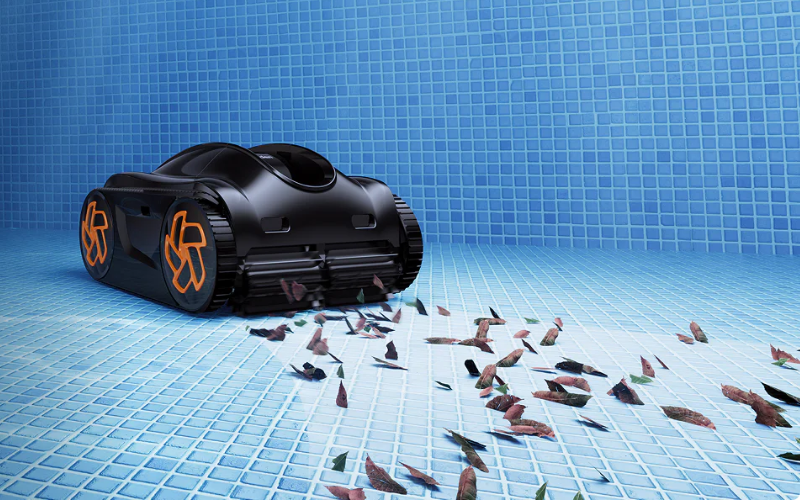
Leaves are usually the first type of debris pool owners notice. They float on the surface, collect near edges, and often sink after sitting in the water for too long. In pools near trees or shrubs, leaves can return every day, especially during windy weather.
At first, they seem like a minor issue. But leaves create several problems if they are not removed early. They can block skimmer flow, settle on the pool floor, and begin to break apart. Once they soften, they are messier to remove. Small fragments may spread through the pool and turn a simple cleanup into a longer one.
This is where automated cleaning can help. A more regular and less hands-on cleaning routine makes it easier to deal with leaves before they build up. Instead of waiting until the pool looks full of debris, the owner can keep the pool in a more controlled condition. That reduces both effort and cleanup time.
Fine Dust and Dirt Are Harder to Notice
Large debris is easy to spot. Fine dust is not.
Dust, dirt, and very small particles often enter the pool through wind, foot traffic, nearby soil, or normal outdoor activity. These particles may not be visible right away, especially in bright light. But over time, they settle on the floor, gather in corners, and leave the pool looking dull.
This kind of debris is often more annoying than leaves because it spreads easily. A person may disturb it during manual cleaning, only to watch it drift and settle again in another spot. It can also collect in steps, ledges, and textured surfaces where it takes more time to remove.
Automated cleaning helps because consistent debris removal is often more effective than occasional deep cleaning. When fine particles are handled more regularly, they are less likely to build into layers. That keeps the pool floor cleaner and reduces the need for repeated passes during manual cleaning.
Sand and Grit Settle Fast
Pools near patios, gardens, or open outdoor areas often collect sand and grit. These particles are heavier than dust and usually sink quickly. Once they settle, they often collect in the same places: near steps, along sloped transitions, in corners, or at the deep end.
Sand creates a different kind of maintenance problem. It does not float around for long, so it may not seem urgent at first. But it can make the pool floor feel rough underfoot and create a dirty appearance even when the water itself looks clear.
Manual cleaning can remove sand, but it often takes careful movement. If the cleaning method is too disruptive, finer particles may spread before they are fully collected. That can make the process feel slow and repetitive.
A more automated routine helps by reducing delays. When settled debris is removed more often, it has less time to spread or combine with other dirt. This keeps the cleaning process simpler and helps the pool stay in better condition with less effort.
Insects and Surface Debris Can Return Constantly
Not all pool debris sinks. Many pools deal with floating debris every day.
Insects, grass clippings, flower petals, and other lightweight material often stay near the surface or drift toward edges. This type of debris may seem small, but it can quickly affect how clean the pool looks. Even a few floating items can make the water seem neglected.
The challenge is that surface debris often returns fast. You may remove it in the morning and see more by the evening. That creates a cycle of repeated spot cleaning, which can become annoying over time.
Automated cleaning supports a steadier maintenance rhythm. While surface conditions still need attention, a broader cleaning system can reduce the overall burden by handling other debris zones more consistently. When the floor, walls, and routine cleaning are already under better control, surface cleanup becomes much less frustrating.
Pollen and Organic Debris Spread Easily
In some seasons, pollen becomes a major problem. It may settle lightly across the water, cling to edges, or collect in a thin layer that returns again and again. Other organic debris, such as tiny plant matter, can create similar issues.
This type of debris is frustrating because it looks light but behaves like a constant nuisance. It can spread across the pool quickly and may not stay in one place long enough for easy manual removal. In some cases, it combines with oils or fine dust and makes the waterline look dirtier faster.
The key advantage of automated cleaning here is consistency. Pollen and light organic debris are easier to manage when the pool is cleaned on a more regular basis. A routine that reduces buildup across multiple surfaces helps prevent these lighter materials from turning into a larger visual problem.
Debris Builds Up in the Same Trouble Spots
One reason pool cleaning feels repetitive is that debris rarely spreads evenly.
Most pools have predictable problem areas. Corners catch leaves. Steps collect grit. The deep end gathers fine dirt. The waterline holds residue. These repeat zones are where debris tends to build up first and stay longest.
If a homeowner relies only on quick manual cleanup, these areas often get missed or delayed. The pool may look cleaner overall, but the same sections still need work. This creates the feeling that the cleaning is never fully done.
Automated cleaning can help by making routine coverage more reliable. Instead of cleaning only what looks obvious in the moment, a more structured process helps address the areas that repeatedly collect debris. This supports a cleaner pool and reduces the need for constant correction later.
That is why a robotic cleaner can be so useful for everyday debris control. It supports steady coverage across the floor and walls, so the same trouble spots are less likely to be missed week after week. A model like the iGarden Robotic Pool Cleaner fits naturally here when the goal is to reduce repeat cleanups and keep debris from piling up in corners, steps, and the deep end.
Delayed Cleaning Turns Small Debris Into Bigger Work
The real problem with pool debris is not always the debris itself. It is the delay.
A few leaves are easy to remove. A thick layer of broken leaves is not. A little dust is manageable. A floor coated with settled dirt takes longer. A faint waterline mark can be wiped early. A darker ring demands more effort.
Manual cleaning often gets delayed because it takes time and energy. Once it is delayed, debris has more time to spread, sink, stain, or break apart. That is when a simple task becomes a larger job.
Automated cleaning helps most when it supports a more regular routine. It becomes easier to deal with debris while it is still light and easier to remove. That shift alone can save a great deal of time over a full season.
A Cleaner Pool Starts With Better Debris Control
Pool debris comes in many forms, and each type creates its own challenge. Leaves are visible and messy. Fine dust is easy to miss. Sand settles fast. Insects and floating debris keep coming back. Pollen spreads easily and can make the pool look dirty even when the water is mostly clear.
The common problem behind all of them is buildup. When debris sits too long, cleaning gets harder. When debris is handled early and more consistently, the pool stays easier to manage.
That is why automated cleaning has become so useful for many homeowners. It does not change the fact that pools need care, but it can reduce the amount of repetitive work and make regular debris control much easier to maintain.
In the end, cleaner water and cleaner surfaces usually come down to one thing: handling small debris before it becomes a bigger problem.