The journey of becoming a professional chef is as diverse as the culinary world itself. Choosing the right culinary school can be as critical as selecting your culinary specialty. It requires a keen understanding of the various institutions, their programs, reputations, locations, and associated financial investments. In this article, we’ll delve into the nuances of selecting a culinary school that best aligns with your aspirations and goals. Keep reading to learn what you’ll need to weigh before donning the chef’s hat.
Understanding the Different Types of Culinary Schools and Programs
Embarking on a culinary education starts with discerning the type of institution that best serves your needs. Culinary school cost may range from community college programs to four-year universities, each offering a variety of diplomas, certificates, and degrees. The depth of training varies significantly, with some institutions focusing on quick, intensive courses and others providing comprehensive education over several years.
Programs are also differentiated by their culinary focus. For example, some schools specialize in patisserie and baking, while others excel in classical culinary arts or global cuisines. It’s vital to analyze each school’s curriculum to ensure it covers the skills and knowledge you aim to acquire.
Additionally, educational methodology is critical. With the growing popularity of farm-to-table and sustainable practices, many schools have incorporated these principles into their curriculum. Hands-on experience, internships, and externships offered by a program can provide real-world skills that are invaluable in the kitchen.
Lastly, consider the faculty’s expertise and credentials. Renowned chefs and experienced educators can provide mentorship and open doors to industry networks. The cultural diversity within the faculty can also enrich the learning experience, giving students a broader perspective of the culinary landscape.
Considering Location and Accessibility for Culinary Training
The geographical location of a culinary school can significantly affect your educational and living experience. Urban schools may offer more diverse culinary exposure and internship opportunities in high-end restaurants, but they may also come with higher cost-of-living costs.
Rural or remote schools, on the other hand, can afford a more focused learning environment and may offer unique specializations such as farm-to-table or sustainable agricultural practices. However, these locations may offer fewer externships or employment opportunities immediately after graduation.
Accessibility is paramount, especially if the program requires a significant commute or relocation. Proximity to home or public transportation can ease travel burdens and reduce living expenses. Some students may prefer schools near culinary hubs, which enhances their ability to network and immerse themselves in the food culture.
It’s also beneficial to consider the school’s outreach and influence in the local and international culinary scenes. Schools with established events, competitions, or community services can offer students additional platforms to showcase their talents and learn from industry professionals.

Exploring the Culinary School’s Facilities and Hands-on Training Opportunities
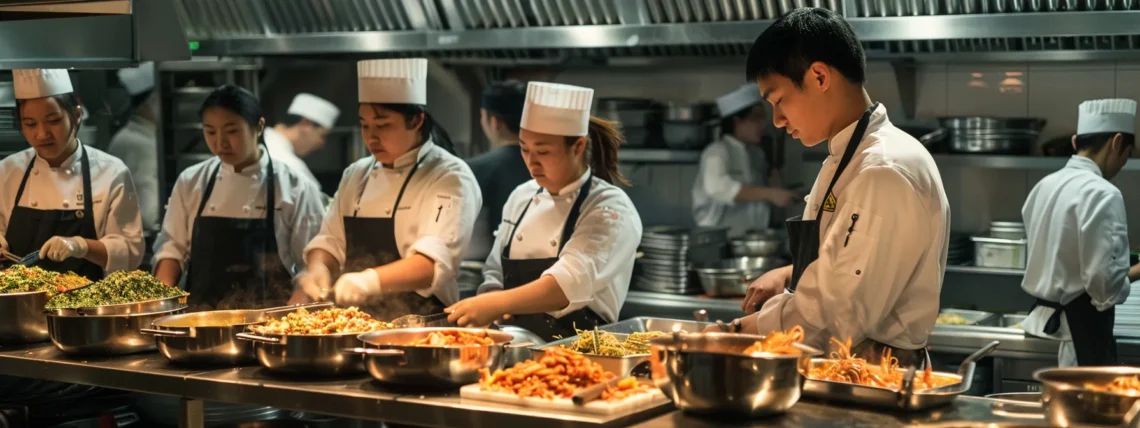
A school’s facilities are a testament to the practical training you will receive. Modern kitchens with the latest equipment can provide an educational experience that closely mimics a professional environment. School restaurants, where students cook for real customers, can be an excellent platform for learning service dynamics and kitchen management.
Hands-on training is pivotal in developing culinary skills. Schools that offer a high ratio of practical classes ensure that students spend more time cooking and, as a result, hone their craft more effectively. Labs, test kitchens, and internship programs with renowned chefs or prestigious restaurants magnify this experience.
Exposure to events such as cooking competitions, food festivals, and guest chef seminars can also enrich a student’s education. These events allow students to test their skills in high-pressure situations and network with peers and industry professionals.
Additionally, specialized classrooms for food photography, food styling, or nutritional science can broaden students’ skills and open doors to alternative culinary careers. Educational establishments that invest in diverse training facilities show a commitment to a comprehensive educational experience.
Choosing the right culinary school requires balancing practical considerations, personal aspirations, and financial realities. A well-chosen school not only equips you with culinary expertise but also provides the foundations for a successful and fulfilling career in the gastronomic world.