As organizations increasingly rely on data to guide their strategies, the importance of clear and effective visualization cannot be overstated. Data alone does not create value—it is the ability to interpret and communicate that data that drives meaningful outcomes. Among the various visualization methods available, bar charts stand out as one of the most practical and widely used tools.
Bar charts are particularly effective for comparing discrete categories. They allow users to quickly see differences between groups, making them ideal for analyzing performance metrics, survey results, and financial data. However, creating a bar chart that is both accurate and visually effective requires more than simply plotting values.
Traditionally, users relied on spreadsheet software to build charts. While functional, these tools often require manual adjustments and can become cumbersome when dealing with large datasets or frequent updates. This is where modern tools have introduced a more efficient approach.
Using a bar chart creator, users can generate charts quickly and with minimal effort. These tools are designed to simplify the entire process, from data input to final visualization. Instead of spending time configuring settings, users can focus on understanding their data and extracting insights.
One of the key benefits of modern chart tools is their intuitive design. Most platforms guide users through the process step by step, making it easy to create professional-quality charts even without prior experience. This accessibility allows a broader range of users to engage with data, from business professionals to students.
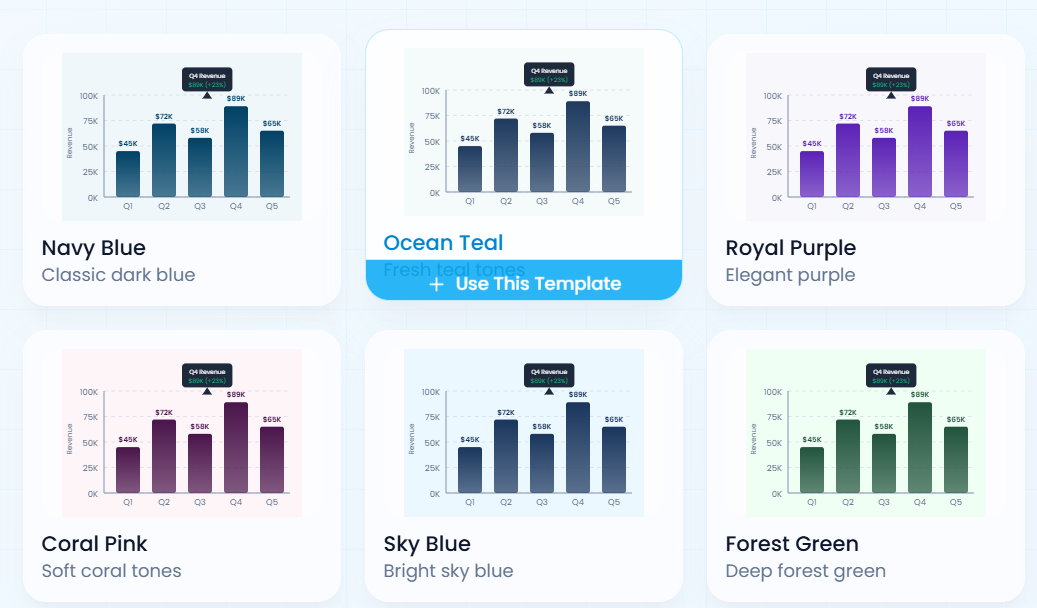
Customization is another important aspect. A well-designed bar chart should not only be accurate but also easy to interpret. Features such as adjustable colors, labels, and scales help ensure that the visualization is clear and aligned with its intended purpose. For example, using contrasting colors can highlight differences between categories, while clear labeling improves readability.
Another advantage is efficiency. In many cases, users need to create multiple charts or update them regularly as new data becomes available. A bar chart creator streamlines this process by allowing quick edits and instant updates. This reduces the time spent on repetitive tasks and increases overall productivity.
Collaboration is also enhanced through modern tools. Many platforms allow users to share charts بسهولة, whether through links or downloadable files. This makes it easier to present findings to colleagues, clients, or stakeholders, and ensures that everyone is working with the same information.
From a business perspective, the impact of clear visualization is significant. Decision-makers rely on accurate and understandable data to guide their actions. A well-constructed bar chart can reveal trends, highlight opportunities, and support strategic planning. Conversely, poorly designed charts can lead to confusion and misinterpretation.
Ultimately, the goal of any visualization is to make data easier to understand and act upon. By leveraging modern tools, users can create charts that are not only accurate but also impactful.
In conclusion, bar charts remain a fundamental tool in data visualization. With the help of a bar chart creator, users can simplify the process of creating clear and effective charts, enabling better communication and more informed decision-making.
