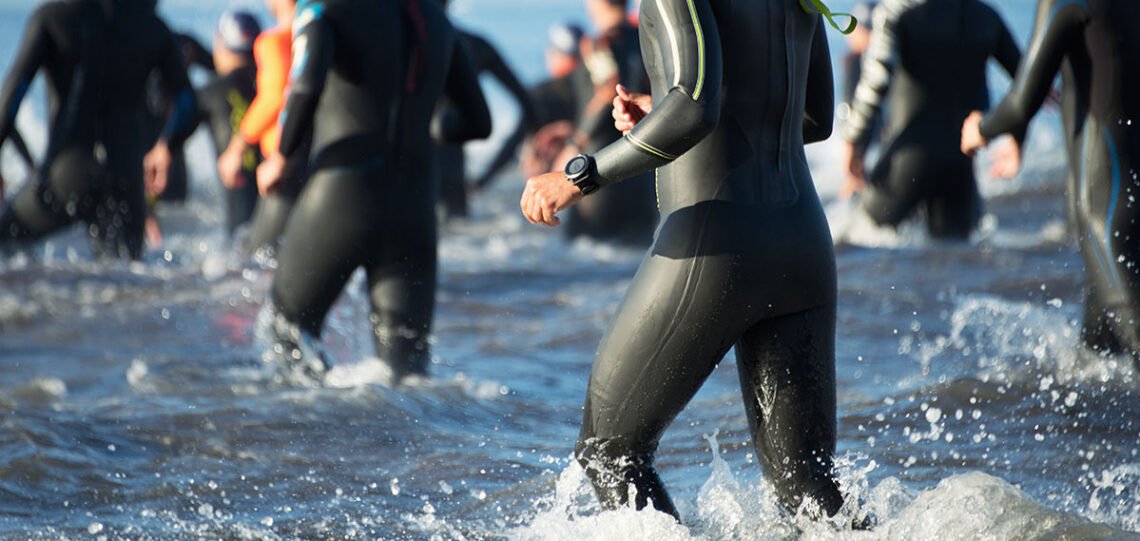
Cold water presents a unique physical challenge for swimmers. Muscles constrict, energy depletes more quickly than anticipated, and heat loss increases as soon as the body temperature drops.For athletes training in open water or swimming during cooler seasons, managing body temperature becomes just as important as technique. This is where swimming wetsuits play a critical role, helping swimmers extend endurance while maintaining thermal balance in demanding conditions.
Why Temperature Control Matters In The Water?
Water draws heat away from the body far more efficiently than air. Even moderately cool water can cause a rapid drop in core temperature, forcing the body to divert energy toward staying warm. This response reduces muscular efficiency and can shorten swim duration. When temperature control is compromised, swimmers often experience early fatigue, shallow breathing, and loss of coordination.
Adequate thermal protection slows heat loss, allowing the body to maintain a more stable internal temperature. This stability supports smoother breathing patterns, improved muscle response, and better overall control in the water.
Conserving Energy For Longer Swims
Endurance is closely linked to how efficiently the body uses energy. In cold conditions, a swimmer without insulation must burn additional calories simply to stay warm. Over time, this energy drain limits distance, speed, and focus. Thermal swim gear reduces this unnecessary energy expenditure by preserving body heat.
By minimising heat loss, swimmers are able to redirect energy toward propulsion and technique rather than temperature regulation. This leads to longer, more sustainable swim sessions and improved consistency during training or competition. For endurance swimmers, conserving energy can be the difference between maintaining form and struggling through the final stages of a swim.
Supporting Muscle Efficiency And Performance
Cold muscles are less responsive and more prone to stiffness. Reduced flexibility affects stroke mechanics, timing, and power output. Maintaining warmth helps muscles remain supple and responsive, which supports efficient movement through the water.
When the body stays warmer, swimmers can maintain a steady rhythm and cleaner stroke technique. This efficiency reduces drag and improves overall performance, especially during longer swims where small inefficiencies accumulate over time.
Maintaining A Stable Core Temperature
A stable core temperature is essential for both safety and performance. Thermal swimsuits work by trapping a thin layer of water between the body and the material. This water warms quickly and acts as insulation, slowing further heat loss. The result is a more controlled thermal environment that adapts as the swimmer moves between effort levels.
This insulation helps prevent sudden temperature drops when stopping briefly or encountering colder currents. Maintaining consistency allows swimmers to stay focused and composed, even in unpredictable open water conditions.
Enhancing Buoyancy And Reducing Fatigue
Modern thermal swim gear also provides subtle buoyancy benefits. Improved buoyancy helps swimmers maintain a streamlined body position, reducing drag and the effort required to stay afloat. Better alignment in the water translates to smoother movement and less strain on the legs and core.
Reduced physical strain means fatigue develops more slowly. Over long distances, this efficiency contributes significantly to endurance, allowing swimmers to maintain speed and technique deeper into their session.
Improving Confidence In Cold Conditions
Confidence plays a major role in endurance. When swimmers feel secure in their ability to stay warm, they are less likely to tense up or rush their movements. Thermal protection provides reassurance, particularly for those swimming in open water where conditions can change quickly.
This confidence supports relaxed breathing, steady pacing, and better decision-making. A calm swimmer uses energy more efficiently, which directly improves endurance.
A Reliable Tool For Consistent Training
For swimmers committed to year-round training, temperature control is essential. Swimming wetsuits allow athletes to maintain regular sessions even as water temperatures drop. By protecting the body from excessive cold stress, they make cold water swimming safer, more comfortable, and more productive.
Ultimately, endurance improves when the body can focus on movement rather than survival. With proper thermal support, swimmers gain the freedom to train longer, perform better, and push their limits in colder environments without compromising comfort or control.