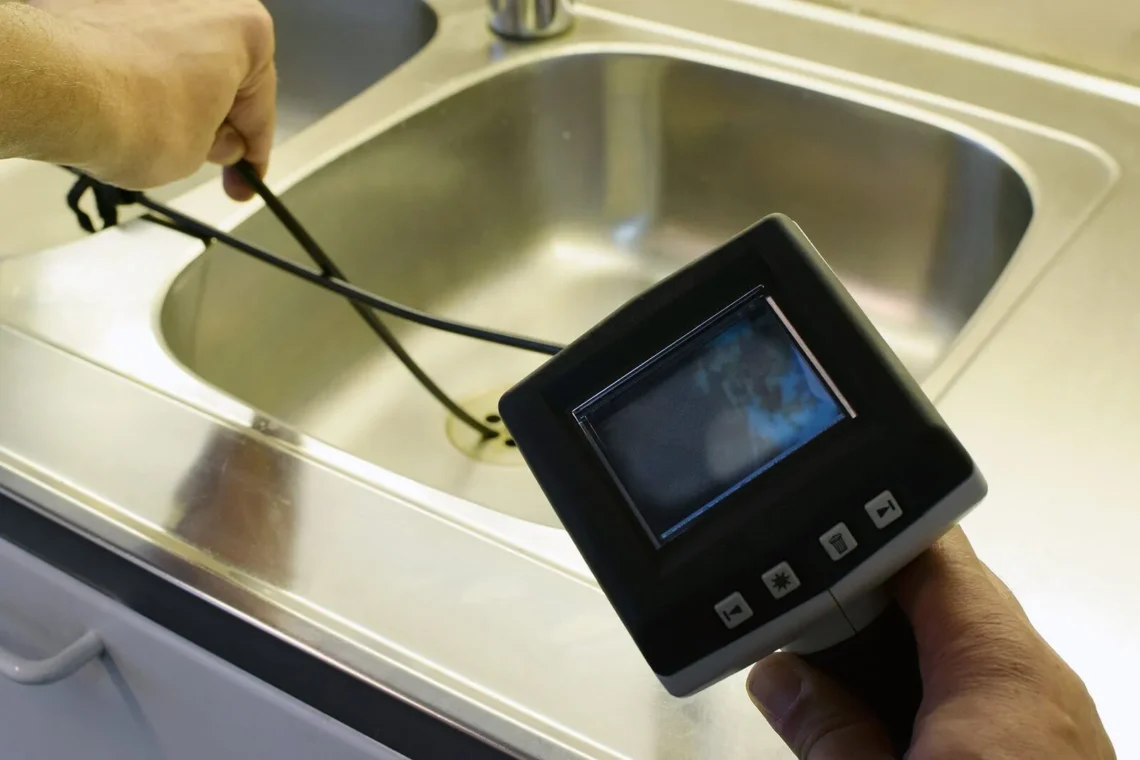
Borescopes have become essential tools for professionals who need to inspect areas that are hidden, confined, or impossible to access through direct viewing. Whether the task involves engine diagnostics, industrial maintenance, plumbing inspections, or delicate electronics, choosing the right borescope can significantly influence the clarity, accuracy, and ease of inspection. Two of the most commonly compared options are micro borescopes and traditional borescopes. While both serve the same core purpose, they differ in size, capability, and suitability for various applications. Understanding these differences helps technicians select the right tool for each job and obtain the most reliable inspection results.
Size and Diameter Differences
One of the most defining distinctions between micro borescopes and traditional models is their diameter. Micro borescopes are intentionally engineered with ultra-thin scopes that can navigate the smallest openings. Their slim construction allows inspections inside fuel injectors, miniature valves, turbine components, and other tight mechanical systems. Traditional borescopes, on the other hand, usually have a larger diameter and offer greater durability. Their wider structure makes them ideal for tasks that do not require navigating extremely narrow paths and may need a more robust probe to withstand demanding environments.
Image Clarity and Resolution Capabilities
Even though micro borescopes are incredibly small, they often deliver impressive image quality, especially when used for close-up inspections. Their tiny lenses are optimized to produce clear visuals of minute components where precision is essential. Traditional borescopes can provide higher resolution images because their larger diameter allows for bigger optical systems. This makes them the preferred choice for inspections where image brightness, wider view angles, or higher definition are required. The decision typically depends on whether the job prioritizes fine detail within tight interiors or broad visuals in more accessible spaces.
Flexibility and Navigation Features
Many professionals rely on the flexibility of a borescope to maneuver through turns or around internal obstacles. Traditional borescopes frequently come with articulation features that allow the tip to bend or rotate for enhanced maneuverability. In contrast, some micro models focus on slimness rather than articulation. A Non articulation mini borescope is often selected when the inspection area is extremely narrow, and any internal bending mechanisms would compromise the probe diameter. While articulation offers directional control, non articulated micro designs allow access where articulated probes physically cannot fit, making them indispensable for very small cavities and precision inspections.
Applications in Industry and Field Use
Micro borescopes excel in industries where component size is small and tolerances are tight. Aerospace technicians use them to examine turbine blades and fuel nozzles, while automotive specialists rely on them for injector or cylinder head inspections. Electronics and medical device manufacturers also depend on micro borescopes to detect flaws during production. Traditional borescopes are more commonly used in plumbing, HVAC, general maintenance, and industrial machinery inspections, where access points are larger and more room is available for maneuvering the probe. Each type, therefore, has its own professional niche where it performs most effectively.
Durability and Handling Factors
Traditional borescopes are often built with stronger housing to withstand rugged environments, oil exposure, heat, or vibration. Their construction makes them reliable for repeated use in harsh conditions. Micro borescopes, due to their smaller size, can be more delicate and require careful handling. However, advances in engineering have strengthened their durability without compromising slimness. The key is choosing a model that balances size with toughness for the intended inspection setting.
Choosing the Right Tool for the Job
The decision between a micro borescope and a traditional borescope ultimately comes down to accessibility, image needs, and operational requirements. If a technician must reach extremely narrow spaces with precision, a micro borescope is the clear choice. For broader inspections that require articulation, higher resolution, or enhanced durability, traditional options remain the standard. By understanding the strengths of each type, professionals can ensure they use the most effective tool for accurate and efficient inspections.