Introduction
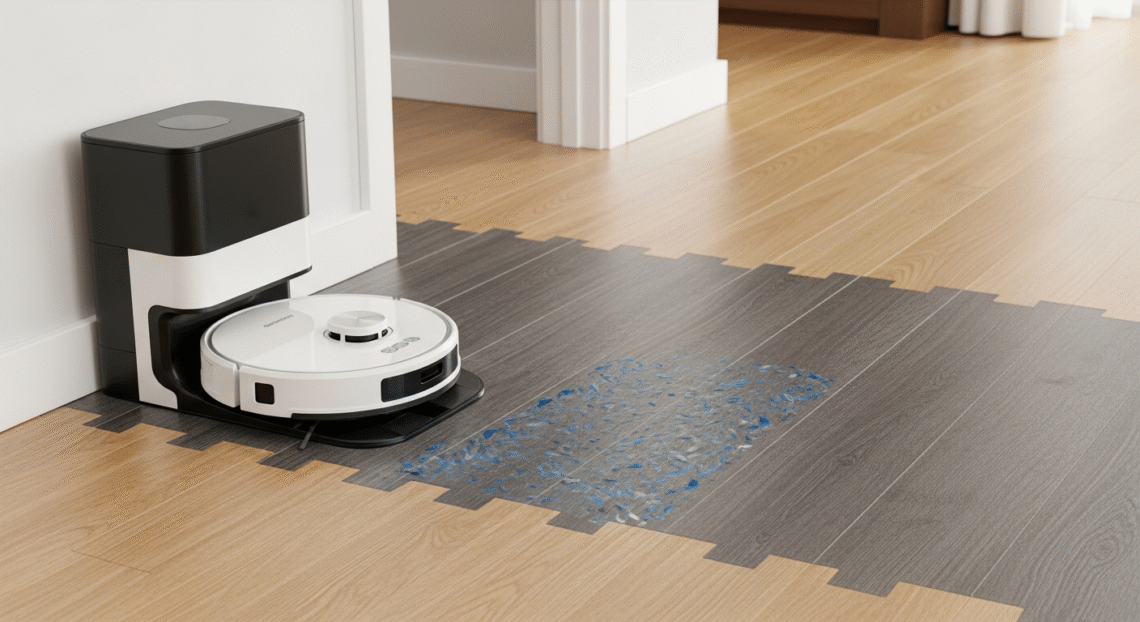
Maintaining a clean home with multiple floors can be challenging, especially with different types of flooring. Traditional vacuum cleaners often struggle to adapt to these mixed flooring environments. Robot vacuums offer a convenient solution by providing automated cleaning that can handle diverse surfaces and layouts. This article explores how robot vacuums adapt to multi-floor cleaning needs, focusing on key features, optimization tips, and methods for effective multi-level cleaning.
Key Features of Robot Vacuums for Mixed Flooring
Robot vacuums designed for multi-floor homes incorporate several key features to ensure efficient and thorough cleaning across various surfaces.
Adaptive Suction Power
Adaptive suction power is crucial for robot vacuums working on mixed flooring. These vacuums automatically adjust their suction strength based on the floor type. For example, when transitioning from hardwood to carpet, the vacuum increases suction to remove dirt and pet hair embedded in the carpet fibers. This adaptability ensures thorough cleaning without manual intervention.
Robot vacuums use sensors to detect changes in flooring. When moving to a carpet, the vacuum recognizes increased resistance and boosts suction accordingly. This enhances cleaning efficiency and conserves battery life by reducing power on less demanding surfaces like tiles and hardwood.
Multi-Surface Brushes and Rollers
Robot vacuums designed for mixed flooring feature multi-surface brushes and rollers engineered to handle various floor types effectively. Rubber brushes are suitable for hard floors, while bristle brushes work well on carpets. Some models combine both types for optimal cleaning across all surfaces.
These brushes and rollers lift dirt and hair from deep within carpets while remaining gentle enough for delicate surfaces like hardwood. Advanced models feature tangle-free designs, preventing hair from wrapping around the brushes and reducing maintenance. This versatility allows the vacuum to transition smoothly between surfaces, maintaining consistent cleaning performance.
Advanced Navigation Systems
Advanced navigation systems are vital for robot vacuums operating on mixed flooring. These systems use sensors and cameras to map out your home and navigate seamlessly between different floor types. Sensors detect obstacles, stairs, and changes in flooring, allowing the vacuum to adjust its cleaning path accordingly.
Robot vacuums with advanced navigation systems, such as LIDAR or VSLAM, create precise maps of your home. These maps help the vacuum plan efficient cleaning routes and remember multiple floor layouts. This is particularly beneficial in larger homes with diverse floor types, ensuring no area is left uncleaned.
Floor Type Detection
Floor-type detection is another essential feature for robot vacuums in mixed flooring environments. With this capability, the vacuum identifies the type of floor being cleaned and adjusts its settings automatically. For example, when moving from tile to carpet, the vacuum increases suction and changes brush rotation speed.
Floor-type detection relies on sensors that analyze the surface being cleaned. Some vacuums use optical sensors to detect changes in color and texture, while others use mechanical sensors to feel the resistance of different surfaces. This allows the vacuum to optimize its cleaning parameters in real time, providing customized cleaning without manual adjustments.
Obstacle Crossing and Threshold Management
Navigating obstacles is a significant challenge for robot vacuums. Models with all-terrain wheels or suspension systems manage transitions effortlessly.
- High Threshold Climbing: Look for vacuums that can climb thresholds, allowing them to move between rooms or different floor levels without manual intervention.
- Obstacle Clearance: Advanced vacuums feature enhanced traction and a higher drive base, enabling them to handle transitions over thick rugs or mats.
- Smooth Navigation on Uneven Surfaces: Some models adjust their wheels dynamically to maintain balance and ensure consistent cleaning performance.
Specialized Cleaning Modes for Mixed Flooring
Robot vacuums with multiple cleaning modes offer tailored solutions for different flooring types and cleaning needs. These modes optimize performance by adjusting suction power, brush rotation, and cleaning patterns to suit specific surfaces.
Tips for Optimizing Robot Vacuum Performance on Mixed Flooring
To ensure your vacuum robot performs optimally on mixed flooring, consider regular maintenance, setting up virtual boundaries, and choosing the right model for your specific needs.
Regular Maintenance
Regular maintenance keeps your robot vacuum running efficiently. Clean the brushes and rollers to remove tangled hair and debris. Empty the dustbin after each use to preserve suction power. Check and clean the filters regularly to maintain proper airflow. Inspect sensors and wheels to keep navigation smooth.
Setting Up Virtual Boundaries or No-Go Zones
Use virtual boundaries to direct your robot vacuum. Most models come with an app to set these boundaries, preventing the vacuum from entering specific areas. This is useful for protecting delicate rugs or avoiding cluttered spaces. Physical barriers can also be used if virtual boundaries are not supported.
Choosing the Right Robot Vacuum for Mixed Flooring
Select a robot vacuum with features suited for mixed flooring. Look for adjustable suction power and multi-surface brushes to adapt to different floor types. Models with LIDAR or VSLAM navigation accurately map your home, ensuring efficient cleaning across hard floors and carpets. Choose vacuums with long battery life and the ability to resume cleaning after recharging. For homes with pets or allergies, select a model with HEPA filters for cleaner air quality.
Implementing Robot Vacuums in Multi-Floor Homes
Robot vacuums offer versatile cleaning solutions for multi-floor homes, addressing the challenges of varied floor types and layouts. Several methods can be employed to maximize their effectiveness.
Method 1: Edge Detection Features
To prevent accidental falls down stairs, consider robots equipped with edge-detecting features. These vacuums use advanced cliff sensors to measure distances and calculate approach times, ensuring they turn back in time.
Method 2: Mapping the Layout of Each Floor
Innovations in smart vacuums have led to models with advanced mapping functions. Equipped with sensors and AI-based algorithms, these vacuums quickly learn the space and create virtual maps of your floors on the app. Leading models utilize dual-laser LiDAR to enhance mapping abilities.
With multi-floor support via a mobile app, you can save and name the map of each floor, then set up zoned cleaning for specific rooms and areas, tailoring the vacuum’s route to each floor’s layout.
Method 3: Installing Docking Stations on Different Floors
The most common method for using a robot vacuum in a multi-story home involves manually moving the device to each floor for cleaning. With a docking station on every floor, the device can efficiently continue its cleaning cycle after recharging, ensuring thorough cleaning of large areas and multiple rooms without manual intervention.
This arrangement allows for spot cleaning without disrupting the vacuum’s navigation system. Standard charging docks automatically charge the device, while advanced auto-empty versions can self-empty the dustbin. Not all stations can be used in this method, as certain stations are designed to work with only one robot vacuum.
Method 4: Fleet of Robot Vacuums
For a hands-free cleaning experience in multi-floor homes, consider using a fleet of robot vacuums, one for each floor. While this approach can be costlier, it eliminates the need to manually move vacuums between floors. It provides an efficient, autonomous cleaning solution.
Further Optimization Strategies
Regular Maintenance for Consistent Performance
Proper maintenance is essential to ensure consistent performance across all floors. Consistently clean brushes, rollers, and sensors, and promptly replace consumable parts.
Mapping and Zoning for Varied Needs
Employing advanced mapping capabilities allows robots to adapt to diverse floorplans. Creating zones optimizes cleaning for specific rooms and effectively addresses areas with unique requirements.
Scheduled Cleaning for Targeted Cleanliness
Scheduling ensures that high-traffic zones receive regular attention. Setting cleaning times optimizes performance across the entire home and optimizes performance by ensuring each level is cleaned effectively.
Adapting Water Usage for Varied Floors
Adjusting water levels for mopping features prevents damage to delicate flooring, while more durable floors benefit from increased water usage for deep cleaning.
With these methods, homeowners can ensure their robot vacuums clean multiple floors effectively without manual intervention.
Conclusion
Robot vacuums are invaluable for maintaining clean homes, especially in multi-floor settings with mixed flooring. By adapting to different surfaces, providing powerful suction, and navigating homes efficiently, they simplify the cleaning process. Consistent maintenance, virtual boundary setup, and selecting a suitable model are key to achieving optimal performance. Embracing robot vacuum technology can transform home cleaning into an effortless task, providing spotless floors and a more manageable lifestyle.