Reaching narrow, obstructed, or sealed spaces has always been a major challenge in technical diagnostics. Whether dealing with engines, turbines, pipes, electronic assemblies, or medical instruments, professionals rely on tools that can deliver clarity without requiring disassembly. This is where the newest generation of micro borescopes has reshaped what is possible. These ultra-thin, highly flexible inspection devices allow technicians to navigate tight pathways while still obtaining sharp, reliable visuals that support precise decision-making. As industries move toward smaller and more compact machinery, the demand for such tools continues to rise.
Smaller Diameter, Greater Access
Modern micro borescope designs feature impressively small diameters that enable access into tight, curved, or obstructed channels. These compact instruments eliminate the need for invasive inspections and reduce overall equipment downtime. Manufacturers are refining their engineering to achieve thinner profiles without compromising durability or image quality. Many current variants incorporate stainless steel, tungsten braiding, or reinforced polymer materials to ensure flexibility while resisting wear over time. This balance of slimness and resilience is what makes micro borescopes so valuable across multiple sectors.
Sharper Imaging for Confident Decisions
Clear visuals are essential during any inspection process, especially when working within cramped spaces where details are hard to spot. The latest micro borescopes use improved sensor technology and advanced lenses to provide high-resolution imagery even in low-light environments. Some designs incorporate LED arrays or fiber optic illumination that enhances visibility inside dark channels. This ensures technicians can identify cracks, corrosion, blockages, or component defects with confidence. As imaging technology evolves, micro borescopes now rival much larger inspection systems in clarity and precision. Enhanced digital zoom features also allow closer evaluation without physically repositioning the device.
Flexible Movement Through Complex Structures
One of the biggest challenges when working with tight pathways is maneuverability. Modern micro borescopes are constructed with flexible insertion tubes that can bend and adapt to complex routing. This ability to snake around corners, pass through narrow openings, and maintain stability makes them indispensable for industries like aviation, plumbing, automotive repair, and manufacturing. Some models offer articulation control, allowing operators to steer the camera tip for targeted inspections. This level of control helps reduce blind spots and ensures that even deeply embedded components can be examined efficiently.
Integration of Mini Optic Cameras for Better Precision
Among the biggest advancements in micro borescope technology is the integration of Mini optic cameras. These compact imaging units deliver sharper visuals while occupying minimal space at the tip of the insertion tube. Their streamlined design enables deep access into confined areas without sacrificing image clarity. As these miniature cameras continue to improve, technicians benefit from faster diagnostics and more accurate assessments. The inclusion of high-quality sensors in such a compact form represents a major leap forward in inspection capability.
Digital Enhancements and Smarter Features
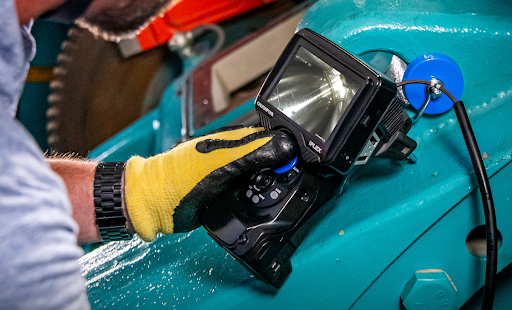
Digital connectivity has further elevated the usefulness of micro borescopes. Many models now feature wireless transmission, onboard recording, and real-time display options. Technicians can capture videos, take photos, share data with teams, and store inspection results for future reference. These features improve workflow efficiency and ensure better documentation. Additionally, compatibility with mobile devices and tablets allows for easier viewing during field operations. Some advanced models offer measurement tools or software that help quantify damage and track changes over time.
A Tool Built for Modern Needs
As equipment becomes more compact and engineering standards continue to evolve, micro borescopes are becoming essential tools rather than optional accessories. Their ability to move through tight pathways, deliver crisp visuals, and support quick problem-solving helps reduce downtime and operational costs. From routine inspections to emergency diagnostics, these advanced devices provide visibility where the human eye cannot reach.
The latest micro borescope designs reflect a growing demand for smarter, slimmer, and more reliable inspection solutions. With their continued evolution, technicians across industries can work with greater confidence and accuracy, knowing that even the most inaccessible areas can be inspected with ease.