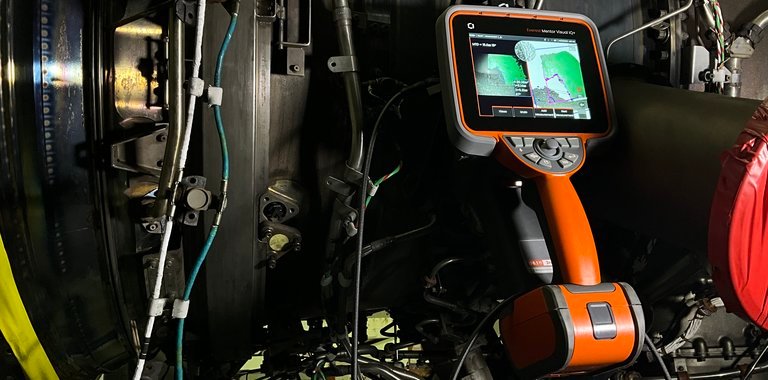
Ultra-slim videoscopes have become essential tools for professionals who work in environments where direct visibility is limited. Whether inspecting engines, pipes, medical equipment, or delicate machinery, these compact devices offer clarity in the tightest spaces. Their small diameter and flexible design allow users to see what would otherwise remain hidden, making them valuable for both diagnostics and preventive maintenance. As technology keeps getting better, learning how to use these tools correctly will help them last longer and give you better results.
The Strengths OfUltra Slim Videoscopes
Ultra slim videoscopes provide high resolution imaging through an exceptionally small insertion tube, often measuring as little as three millimeters. This makes them ideal for applications where traditional inspection tools cannot fit. By capturing live video and still images, they allow technicians to analyze internal components without dismantling equipment. Their ability to reduce downtime while improving diagnostic accuracy has made them widely used in automotive, aviation, plumbing, manufacturing, and research settings.
These gadgets are also easy to handle and move around because they are small. For many users, incorporating a Mini borescope inspection camera into their workflow enhances their ability to identify problems quickly in confined areas. This combination of portability and advanced optics gives professionals a practical way to work with greater confidence and precision.
Preparing for a Successful Inspection
Before beginning any inspection, preparation is essential. Start by ensuring the videoscope is fully charged or connected to a reliable power source. Examine the insertion tube for bends, cracks, or signs of wear. Using a clean and well-maintained device helps preserve image quality and reduces the risk of equipment damage during the inspection.
Lighting is another important factor. Most ultra slim videoscopes include adjustable LED illumination. Setting the correct brightness ensures a clear view without washing out details or creating glare. If the area contains dust, moisture, or debris, consider using protective accessories to shield the camera tip. This keeps the device’s internal parts safe and helps it last longer.
Effective Techniques for Navigating Tight Spaces
When entering narrow passages, patience and steady movement are key. Guide the insertion tube slowly, allowing the camera to adjust to curves and tight angles. Avoid forcing the device through resistance, since this can damage both the videoscope and the material being inspected. Using small wrist movements rather than large arm motions provides better control.
Maintaining orientation is also essential. Many devices offer directional markers or on-screen references that help users understand camera positioning. Keeping track of orientation ensures that any issues discovered can be accurately documented and addressed. If the passage twists or splits, pausing briefly to reorient prevents confusion and improves inspection accuracy.
Image clarity plays a major role in effective navigation. Adjust focus, zoom, and lighting as needed to capture useful visuals. When an unusual feature or defect appears, take multiple images for reference. High-quality documentation supports clearer communication with team members or clients and assists in planning repairs.
Post-Inspection Care and Maintenance
Once the inspection is complete, cleaning and storing the videoscope properly helps maintain performance. Wipe the insertion tube with a soft cloth and approved cleaning solution, especially if it was exposed to oil, chemicals, or debris. Check the camera tip for residue, and ensure connectors are dry before placing the device into storage.
Regularly reviewing device settings, firmware updates, and accessory compatibility also contributes to long-term reliability. Well-maintained tools allow professionals to continue navigating complex environments without interruption.
Final Thoughts
Ultra slim videoscopes offer impressive capabilities for accessing tight and hard-to-reach spaces. By preparing the equipment carefully, using controlled inspection techniques, and practicing proper maintenance, users can maximize performance and achieve accurate results. Whether paired with a Mini borescope inspection camera or used as a standalone tool, these devices empower technicians to work with efficiency, clarity, and confidence in any narrow passage they encounter.