Standard garage door sizes let you skip the guesswork and get straight to installing the right door for your house. Most single garages use doors that are 2100mm high by 2400mm wide, while double garages use doors that are 4800mm wide.
But if you get the door size wrong, you’re stuck with a costly mistake, delays on your renovation, and the headache of reordering everything. So when plenty of homeowners stress over measurements, that concern is completely justified.
Our team at Doors Direct has helped thousands of Brisbane homeowners nail their garage door sizes since 2008, and we’re sharing everything we know in this guide. You don’t have to be one of those homeowners second-guessing every measurement.
We’ll cover standard single and double garage door sizes, how to measure your opening correctly, when you need custom doors, and the sizing mistakes that trip people up.
Read on to sort this out so you can order with confidence.
Standard Single Garage Door Sizes in Australia
As we already mentioned, most single garage doors in Australia follow the standard single garage door size of 2100mm high by 2400mm wide. That’s what you’ll find in the majority of homes across the country, and it works perfectly for everyday vehicles.
Now, if you’re thinking there’s more to it than just one set of numbers, you’re right.
Let’s break down what these measurements actually mean for your garage.
Typical Width and Height Measurements
The standard garage door height sits at 2100mm for most single garages, but you’ll also see 2400mm in some homes. The extra height comes in handy if you’ve got a taller vehicle or want some roof storage space without things feeling cramped. As for width, that stays pretty consistent at 2400mm across the board.
In our experience, single garages built to Australian standards usually stick to these dimensions. The reason is simple. This standard size suits sedans, hatchbacks, and most small SUVs without any dramas.
When you measure your garage opening, these standard sizes give you a reliable starting point since most builders follow the same specs nationwide.
What Vehicles Fit Through Standard Openings?
The average car in Australia measures about 1900mm wide, which means you’ve got around 250mm of clearance on each side when you drive through a standard garage opening. That’s enough space for most people to park comfortably without scraping mirrors or panels.
Larger vehicles like 4WDs and dual-cab utes fit through as well, though you’ll have less wiggle room for tight parking (and yes, we’ve had customers try to squeeze a Land Cruiser through a standard single door).
However, if you’re driving something oversized like an American truck or a camper van, you’ll probably need custom garage doors beyond that 2400mm width.
Double Garage Door Size: One Large Door or Two Singles?
A standard double garage door measures 2100mm high by 4800mm wide, which gives you plenty of room for two cars parked side-by-side. You can choose from two options. They are:
- One large door spanning the full width
- Two single doors side-by-side
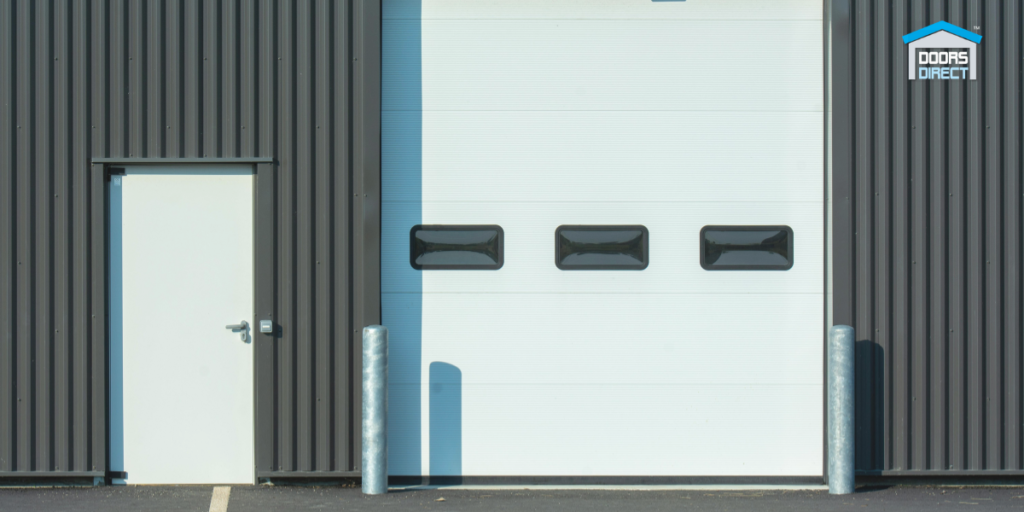
One large door covering the whole opening needs just one motor, and that costs less to install than running two separate openers. It’s also simpler for installation since you’re dealing with one garage door frame instead of two. That’s why most double garages go this route, saving money and keeping things straightforward.
But here’s the thing. Two single doors give you more flexibility. You can open just one side when you’re heading out, which saves energy and reduces wear on the motor.
Some homeowners prefer this setup for double garages, especially if they’re only using one side of the garage most days. The downside is that you’re paying for two motors and two installations, so the cost goes up.
Both options work perfectly fine for standard double garage door sizes. It really comes down to whether you want to save money up front or have that extra flexibility with two single doors down the track.
How to Measure Your Garage Opening Correctly
Start by measuring the width of your garage opening from inside edge to inside edge. Getting the measurements wrong is the fastest way to waste money on a door that doesn’t fit (trust us, redoing an install because of wrong measurements isn’t cheap).
Here’s what you need to measure:
- Width: Measure from one side of the garage door frame to the other and don’t include any architraves or trim. Just the actual opening where the door sits.
- Height: For accurate numbers, check from the floor to the top of the opening. If there’s a bottom seal strip attached, factor that in because it adds extra height to your door.
- Headroom: This is the space between your garage opening and the ceiling. Roller doors need around 350mm to 450mm of headroom to roll up properly (depending on the model and motor). Sectional doors and tilt doors have different requirements, so knowing your headroom helps you pick the right door type.
- Side room: While measuring, pay attention to the space available from each side of the door to the wall. Most garages need at least 100mm on each side for the door tracks and frame to sit correctly. Without enough side room, installation becomes tricky.
Quick Reminder: Double-check every measurement twice before ordering your new garage door. One wrong number throws everything off.
When You Need Custom Garage Door Sizes
If you’ve got an oddly shaped opening or a heritage home, standard garage door sizes probably won’t cut it. That’s where custom garage doors come into play.
Heritage homes with non-standard openings often need custom-made doors to match the original design and proportions. The same goes for properties with unique architecture where a standard garage just doesn’t fit the space properly.
Renovations are another common reason for going custom. Converting your garage into a workshop, adding a shed, or creating extra storage space for a boat means you’ll likely need taller or wider door sizes than what’s standard. Custom garage options let you get the exact fit your house needs without compromising on style or function.
Also, properties with sloped driveways often need adjustments to the door height. The angle of the driveway affects how much clearance you’ve got, and a custom-made door prevents your vehicle from scraping the bottom every time you drive in or out.
After sorting out whether you need standard or custom door sizes, it’s time to look at the mistakes that trip most people up during the measuring process.
Common Sizing Mistakes to Avoid
Ever ordered a door only to find it doesn’t fit your opening? Yeah, that happens with most of us.
Based on our experience in installing thousands of doors, we know exactly where people go wrong with garage door sizes. Watch out for these common mistakes:
- Measuring the Old Door: Most garages have a door that’s slightly smaller than the actual opening. If you measure your old roller garage doors or sectional garage door and order the same size, you’ll end up with a gap around the edges. Because of this, you should always measure the opening itself.
- Forgetting Headroom Requirements: Different door types need different amounts of ceiling space. What works for roller door systems won’t suit panel lift doors or tilt garage doors. So consider the headroom between your garage opening and ceiling before picking your door type.
- Ignoring the Side Room: Without a proper side room, installation becomes a nightmare, and you’ll run into structural issues like misaligned tracks and frame problems later. You need at least 100mm of space on each side of the door for everything to fit correctly.
Get the Right Size Garage Door for Your Home
Most standard garage sizes in Australia follow the same measurements, which makes choosing your new garage door pretty straightforward. You just have to measure your opening carefully, consider your vehicle and storage needs, and you’re halfway there.
Also, if standard door sizes don’t work for your property, custom options give you the perfect fit without compromise. No matter whether you’re working with a heritage home or planning a renovation, the right garage door adds functional space to your property.
If you need expert advice on finding the right size garage door for your home, get in touch with Doors Direct, and we’ll sort out exactly what you need.