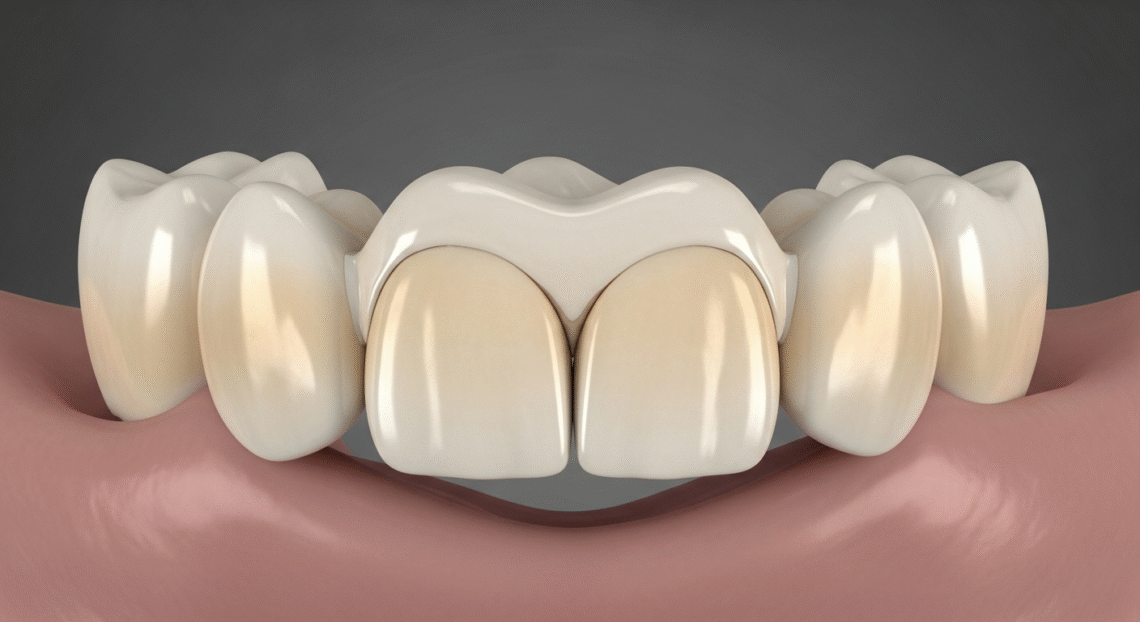
What is a Dental Crown and why do dentists often recommend it? A dental crown is a special cover made to fit over a tooth that is weak, damaged, or has a big filling. Many people wonder why they need a crown when brushing and flossing are enough. The truth is, sometimes teeth face problems that home care alone cannot fix. A dental crown acts like a helmet for your tooth, keeping it safe from more damage and helping it work normally. It can also make your tooth look nice and natural, which is important when you smile or talk. People of all ages may need a dental crown, whether to save a tooth after a cavity, protect a broken tooth, or improve the look of a tooth that is discolored or misshaped. Dentists use crowns not just for protection but also to restore strength so you can chew comfortably without pain.
Crowns are made from different materials like metal, porcelain, or a mix of both. Each type has its own benefits. Metal crowns are strong and last long but may not look like natural teeth. Porcelain crowns look real, matching your tooth color, but can wear down over time. Choosing the right crown depends on which tooth needs it, how much chewing force it will face, and your personal preferences. The process of getting a crown usually takes two visits. First, the dentist shapes your tooth to fit the crown. Then, a mold is made to create the crown that perfectly fits your tooth. While waiting, a temporary crown is placed to protect the tooth. During the second visit, the permanent crown is fixed with strong dental cement. Caring for a crown is simple; you need to brush and floss like normal, avoid very hard foods that might break it, and visit your dentist regularly. A dental crown can last many years if taken care of well, making it a smart investment for your dental health and confidence.
How to Understand What is a Dental Crown and Its Purpose
A dental crown is a cap that goes over a tooth to protect it and make it stronger. It is used when a tooth is weak, broken, or has a big cavity. Crowns help keep teeth safe from more damage and pain. They can also make your teeth look nice and natural when you smile or talk. People get crowns for different reasons like fixing a broken tooth, protecting a tooth after root canal treatment, or covering a tooth that looks ugly. Crowns can last for many years if taken care of properly. Dentists choose crowns to save your tooth and help you chew comfortably without hurting your mouth.
Different Types of Dental Crowns and Which One is Best for You
Dental crowns come in many materials like metal, porcelain, ceramic, and a mix of these. Metal crowns are very strong and last a long time but do not look like natural teeth. Porcelain crowns look very real and match your tooth color, so they are good for front teeth. Ceramic crowns are also strong and natural-looking, and they are a good choice for people who want metal-free crowns. Dentists help you choose the right crown based on the tooth’s position, how much chewing it will do, and your budget. The best crown is the one that protects your tooth, feels comfortable, and looks good when you smile.
Step-by-Step Process of Getting a Dental Crown at the Dentist
Getting a dental crown usually takes two visits to the dentist. First, the dentist cleans the tooth and shapes it so the crown can fit perfectly. Then they take a mold of your tooth, which is sent to a lab to make your crown. While waiting, a temporary crown is placed to protect your tooth. In the second visit, the dentist checks the fit, shape, and color of the crown. When everything is perfect, the crown is glued or cemented to your tooth. After this, you can chew and bite normally. Following the dentist’s instructions helps your crown last for a long time and keeps your tooth healthy.
Benefits of a Dental Crown for Tooth Protection and Appearance
Dental crowns have many benefits that help your teeth and smile. They protect weak teeth from breaking or cracking, making it easier to chew food without pain. Crowns also restore the shape, size, and strength of your tooth, which helps your mouth work properly. They can cover teeth that are stained, chipped, or misshaped, giving you a confident smile. Crowns also help support teeth with large fillings that might not be strong enough on their own. Overall, dental crowns are not just for health; they also improve appearance and function, making your teeth stronger, healthier, and more beautiful at the same time.
Caring for Your Dental Crown: Simple Tips to Keep It Strong
Taking care of a dental crown is easy and important. You should brush your teeth twice a day with a soft toothbrush and use toothpaste that is gentle on your gums. Flossing every day is also very important, even around the crown, so food does not get stuck and cause decay. Avoid biting very hard things like ice or nuts because crowns can crack. Visit your dentist regularly for checkups and cleaning. If your crown feels loose or hurts, see your dentist right away. With proper care, a dental crown can last many years, keeping your tooth protected and your smile beautiful without problems.
Common Problems with Dental Crowns and How to Avoid Them
Sometimes dental crowns can cause problems if not taken care of. Crowns may feel loose, crack, or cause sensitivity in the tooth. Decay can also happen around the edges of the crown if you don’t brush and floss properly. Eating sticky or very hard foods can damage the crown. Visiting your dentist regularly helps find problems early. If you feel pain, pressure, or see a crack, you should not ignore it. Most problems can be avoided by keeping good oral hygiene, avoiding bad habits, and following the dentist’s advice. Crowns are strong but need care to stay healthy and last longer.
Dental Crowns for Kids and Adults: When Are They Needed?
Both kids and adults may need dental crowns, but the reasons can be different. Kids sometimes get crowns on baby teeth that are badly decayed to protect them until permanent teeth grow. Adults may need crowns for broken teeth, large fillings, root canals, or teeth that are weak. Crowns help both children and grown-ups chew food properly, prevent further damage, and improve the look of their teeth. Dentists decide the right type and size of crown depending on the tooth and age. Crowns are a safe and helpful way to make teeth strong and healthy for a long time, no matter the age.
How a Dental Crown Can Save Your Tooth from Further Damage
A dental crown can save a tooth that is weak, broken, or filled with a large cavity. Without a crown, the tooth may crack, decay more, or even need to be pulled out. Crowns cover the whole tooth, giving it strength and protection. They also help the tooth function normally so you can chew and bite without hurting it. Crowns prevent small problems from becoming bigger and more painful. Dentists recommend crowns to protect teeth after root canals or large fillings. By getting a crown, you can keep your natural tooth longer, avoid pain, and maintain a healthy, beautiful smile for many years.
Conclusion
Dental crowns are very helpful for keeping teeth healthy, strong, and looking good. They protect weak or broken teeth from more damage and help people chew and smile comfortably. Crowns come in different materials like metal, porcelain, or ceramic, and each has benefits depending on your needs. Getting a crown usually takes two visits to the dentist, one to prepare the tooth and another to place the crown. Taking care of your crown is very easy—brush, floss, and avoid very hard foods. Regular dentist visits make sure your crown stays strong and problem-free.
Crowns are not just for adults; kids may need them too when teeth are damaged. They can prevent pain, save your natural tooth, and improve your confidence. Most problems with crowns happen when teeth are not cleaned well or people bite hard objects. Following simple tips keeps crowns healthy for years. They help your teeth work normally, look nice, and last a long time. Crowns are like shields for your teeth, keeping them safe from cracks, decay, and pain.